
Updates
Blog
Recruitment notifications, exam updates and preparation guidance.
Latest posts

UPSC Study Plan for 1 Year: Month-wise Plan for CSE 2027
2026-11-28
A 1-year UPSC plan works backwards from Prelims (23 May 2027) and Mains (from 20 August 2027), dates from UPSC's provisional calendar. Use Months 1–6 to build GS and the optional together, Months 7–9 for Prelims, and the rest for Mains. This is IAS100's template, not an official schedule.

UPSC Booklist: Complete Subject-wise List for Prelims and Mains
2026-11-28
UPSC has no official booklist; it publishes only a syllabus. A lean list works best: current NCERTs, one standard book per subject with the latest edition, past papers and free official sources. Below are subject-wise picks with editions verified on publishers' pages in November 2026.

NCERT Books List for UPSC: Current Class 6–12 Titles (2026)
2026-11-28
UPSC prescribes no books, but NCERT Class 6–12 textbooks are a common free foundation. NCERT replaced its Class 6–9 social science books between 2024 and 2026, so many lists online are out of date. Here are the current titles, a reading order and official download links.

How to Start UPSC Preparation from Scratch: A Step-by-Step Guide
2026-11-28
Start with UPSC's own notice and syllabus, not a booklist. Then spend about 90 days building an NCERT base alongside a daily current-affairs habit. After that, move to one standard book per subject, past papers and answer writing. This is IAS100's suggested path, not an official rule.
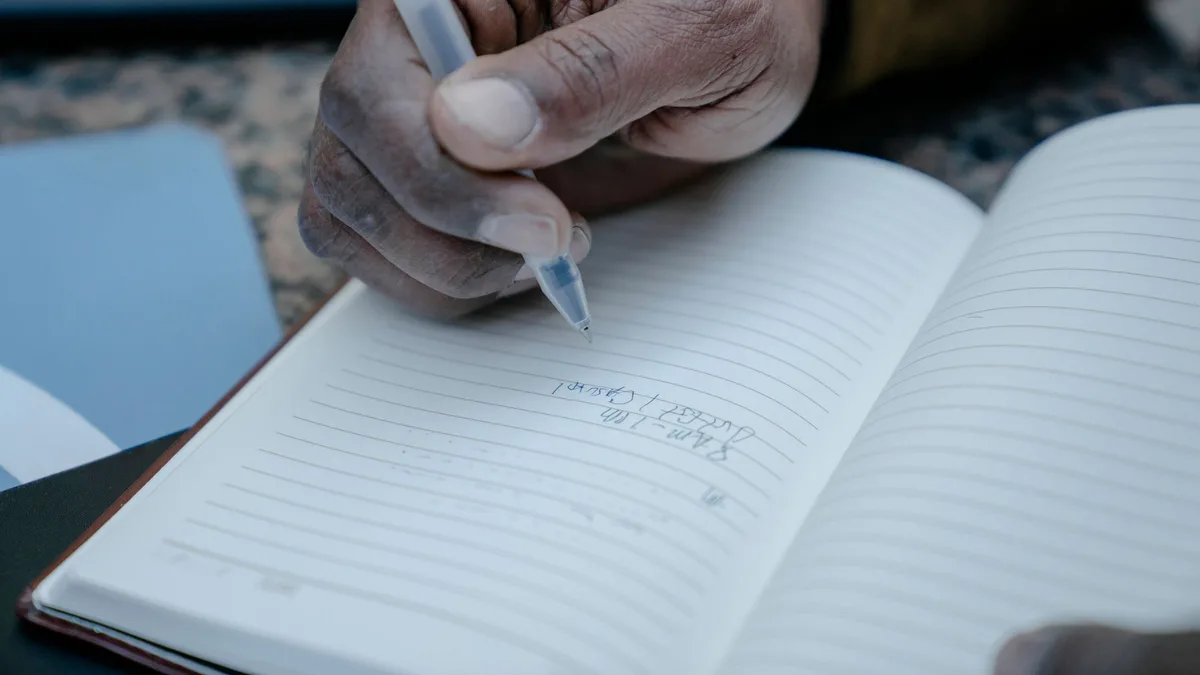
UPSC Answer Writing Strategy: Structure, Timing and Practice
2026-11-27
Good UPSC Mains answers do exactly what the question asks, within the word limit and time. The 2026 GS Paper II had 20 compulsory questions in 3 hours: about 7 minutes per 10-mark answer and 11 per 15-mark one. A clear intro–body–conclusion structure and timed practice get you there.

How to Choose UPSC Optional: A Decision Framework
2026-11-27
Choose your UPSC optional by testing it, not by reputation. It carries 500 of the 1,750 written Mains marks and is locked when you fill the application form, so weigh interest, background, syllabus size, GS overlap and material in your medium, then sample past papers before deciding.

CSAT Preparation Strategy: How to Clear UPSC Prelims Paper II Safely
2026-11-27
CSAT (GS Paper II) is qualifying, but you must score at least 33% (66 of 200 marks) or your GS Paper I score is not considered. Prepare by testing yourself on an official paper, fixing your weakest area first and practising timed sets with the one-third penalty in mind.